Things I've Built

Not everything. Just enough to understand how I think.
Building the way others should

Aikra

Everyone's building web apps now. And everyone's doing it the same way. Bloated frameworks. Unnecessary complexity. Design that demands attention instead of earning it.

Aikra is different. We help businesses build apps that actually work the way their users think.

What we build

  • Web applications that don't fight the user
  • Mobile apps designed for clarity, not novelty
  • Next.js systems that scale without becoming chaos
  • RAG-powered chatbots that know their limits and communicate them
  • ML models deployed with intention, not just possibility

The difference

We don't build features. We build systems. Systems that respect your users. Systems that don't require constant explanation. Systems that disappear into the work because they're designed around it, not against it.

Getting out of the writer's way.

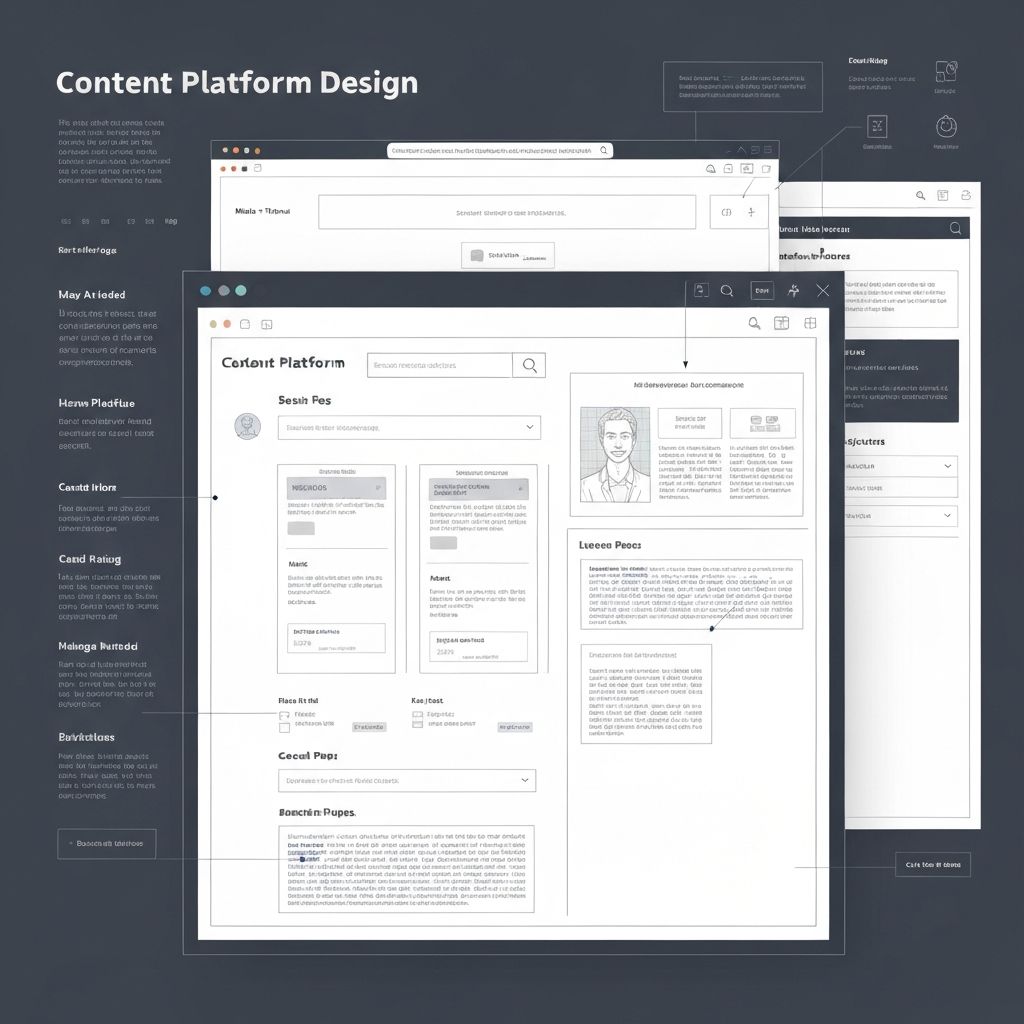
Content-Driven Platform Redesign

Context

A publishing platform with excellent writing and a design that kept interrupting it. The content was strong. The reading experience wasn't.

Tension

How do you design without leaving fingerprints?

Decision

I treated typography as the product. Fonts. Line length. Rhythm. Space. Navigation disappeared when reading began. The interface stepped back so the words could step forward. Designed for skimming when tired and immersion when focused.

Result

Time on page increased by 45%. Readers engaged deeper and shared more. Feedback praised the writing — not the UI. Which was exactly the point.

See inside →

Trust over cleverness.

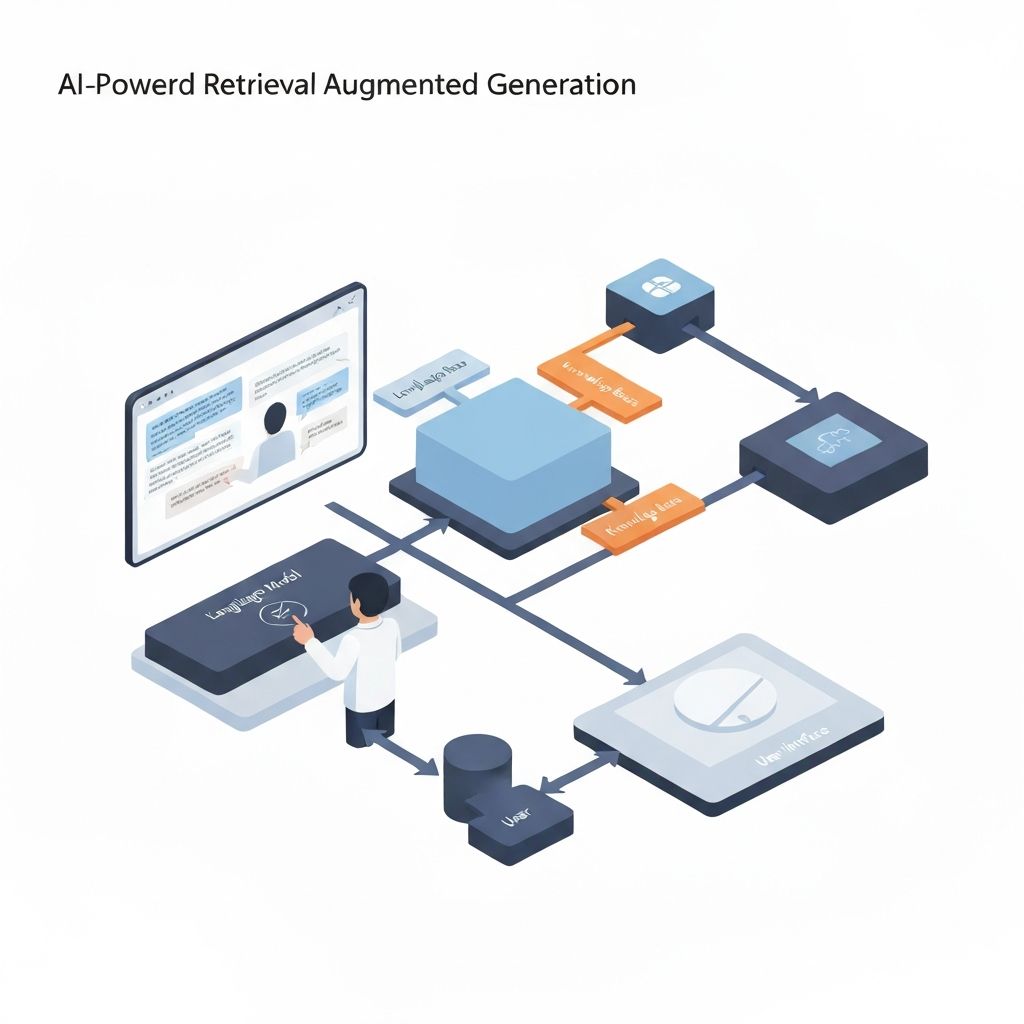
AI RAG Chatbots for Businesses

Context

Businesses wanted AI support tools. What they got were chatbots that hallucinated. Accuracy mattered more than novelty.

Tension

AI sounds confident even when it's wrong. That confidence destroys trust.

Decision

Ground everything. Responses were built on Retrieval-Augmented Generation. Internal documents first. Generation second. The system was taught to say 'I don't know', match the company's tone, and stay inside its knowledge boundaries.

Result

Higher accuracy. Increased internal adoption. Support conversations shifted from basic to meaningful. People trusted it enough to rely on it.

See inside →

Respecting complexity without celebrating it.

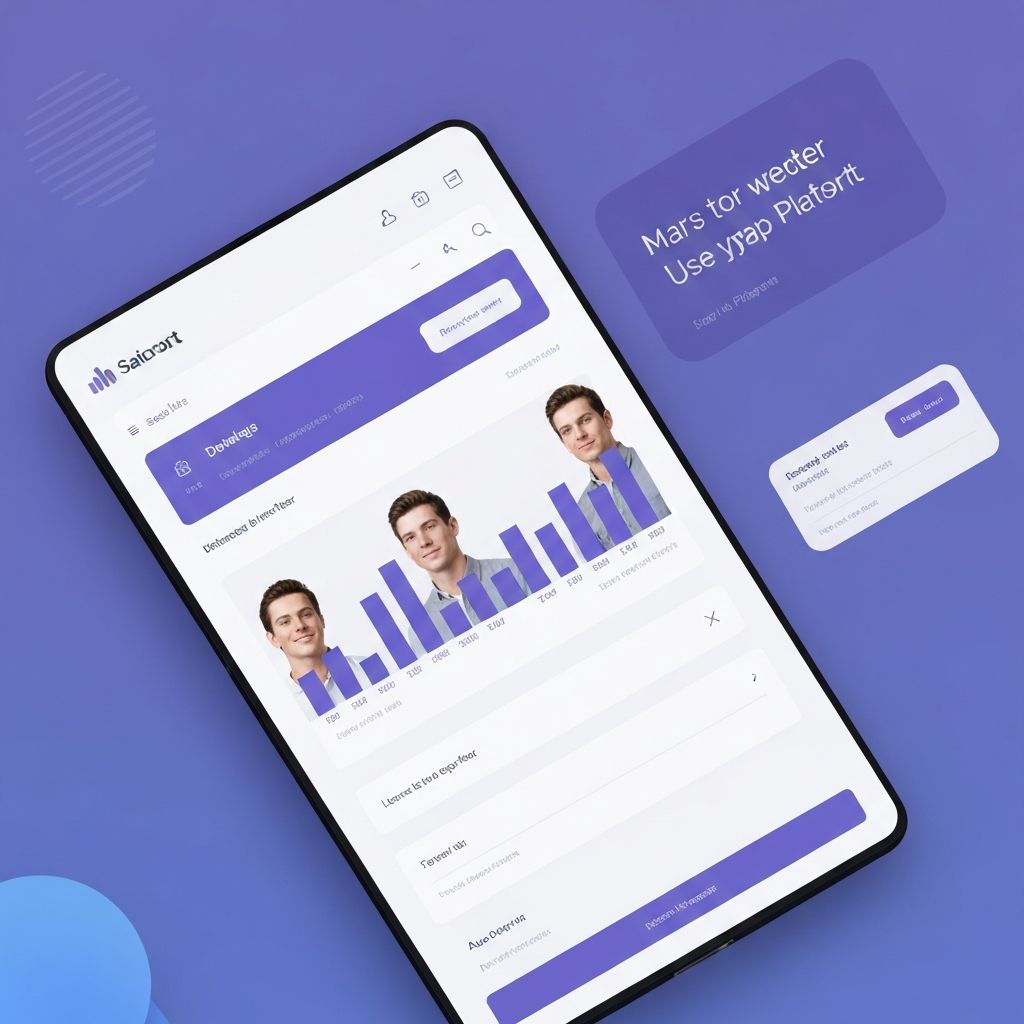
B2B SaaS Platform Redesign

Context

A mature platform with 500+ features. Powerful. Exhausting. Unusable.

Tension

Simplify too much and power users revolt. Do nothing and everyone struggles.

Decision

I didn't remove features. I removed confusion. Rebuilt the information architecture. Designed for scanning first. Depth when needed. Whitespace used deliberately, not decoratively.

Result

Support tickets dropped 40%. Onboarding time cut in half. Satisfaction scores rose across all user types.

See inside →

Operational clarity.

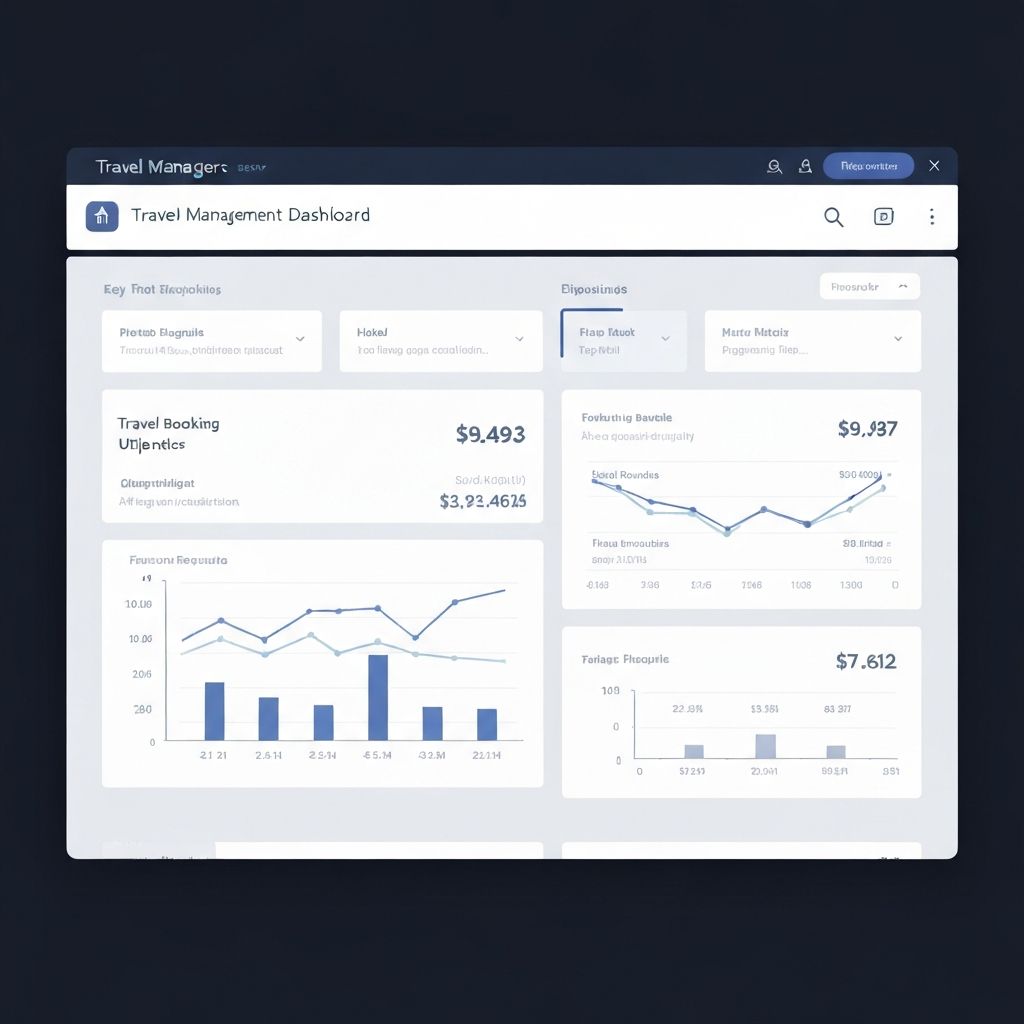
Travel Management Systems & Dashboards

Context

Travel operators juggling customers, trips, teams, and logistics across eight disconnected tools. Nothing spoke to each other.

Tension

Centralization often creates more complexity, not less.

Decision

Designed for visibility, not control. One dashboard that shows what matters now, reveals detail only when needed, and mirrors how operators actually think.

Result

30% less time managing tools. Faster decisions. More time spent serving customers.

See inside →

Building trust at every decision point.

Travel Websites & Booking Experiences

Context

A travel brand struggling to convert visitors. The problem wasn't traffic. It was trust.

Tension

How do you design a booking experience that doesn't feel like a sales funnel?

Decision

Redesigned the entire flow to slow users down. Removed unnecessary steps. Reduced cognitive load. Added contextual trust signals—real testimonials at decision points, flexible date handling with price transparency.

Result

Engagement increased. Drop-offs reduced. Users completed bookings with confidence, not hesitation. Support tickets about booking confusion dropped 60%.

See inside →

Other work exists. This is enough to understand how I think.

→ Questions? Let's talk